
“So why Japan?”
I never really set my sights on living in Japan full time until after doing my second internship there. But, friends always want to know what sparked my interest about Japanese culture in the first place.
I have this distinct, seemingly insignificant memory, but I’ve never been able to get it out of my head. Around the fourth grade, my half Japanese cousins came to visit – which was rare in and of itself.
We were playing in the living room of my childhood home. The carpet in front of our old tube TV was stained an interesting mixture of Kraft mac-n-cheese yellow and chocolate milk brown (quite a lot of dairy for a girl that eventually becomes lactose-intolerant…)
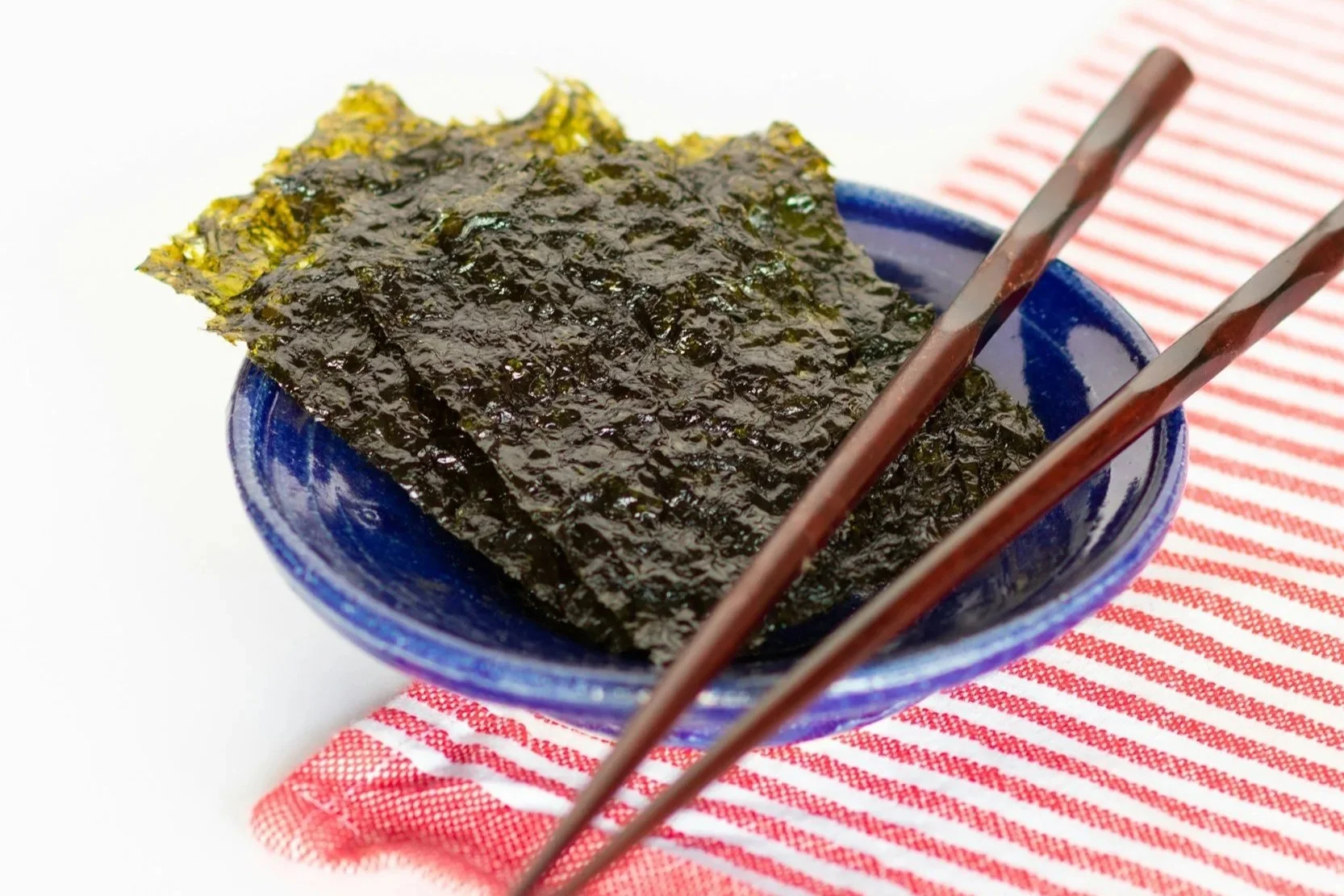
In walks my Japanese uncle with snacks for the kids – seaweed snacks.
The five basic tastes are sweet, salty, sour, bitter, and umami. Seaweed and many traditional Japanese foods are mainly in that savory umami category. There are eight main types of seaweed used within traditional Japanese cooking each with their own flavor nuances and culinary uses:
Nori, Kombu, Wakame, Aonori, Hijiki, Mozuku, Mekabu, and Umibudou
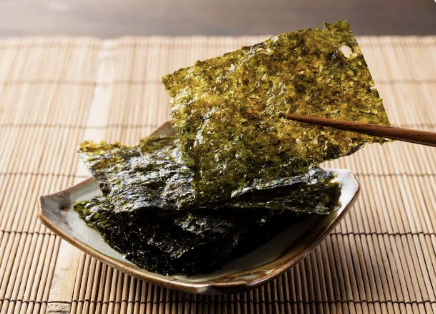
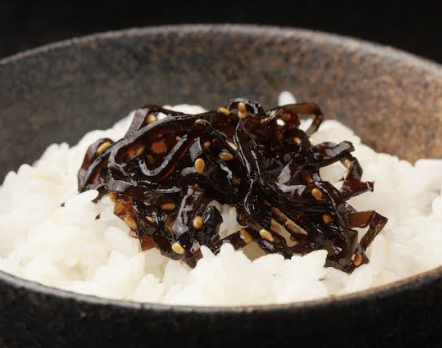
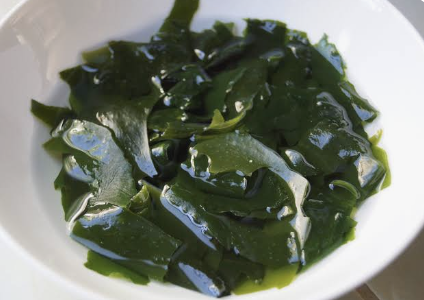
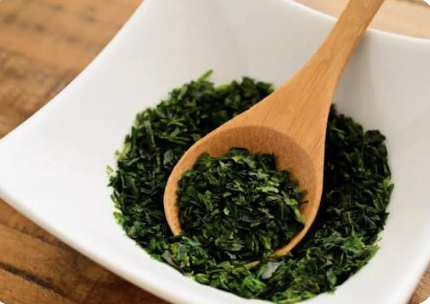
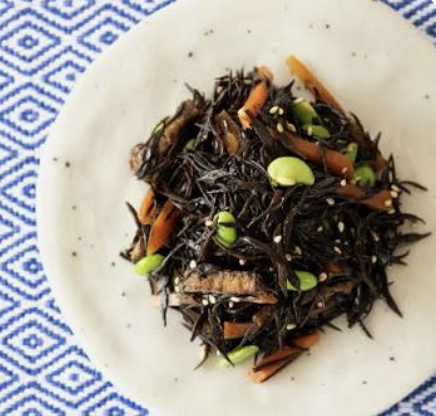
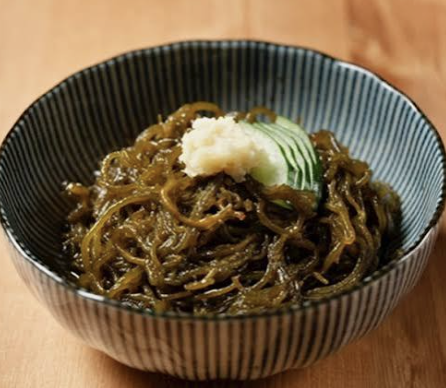
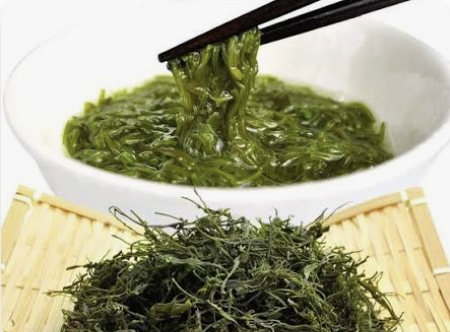
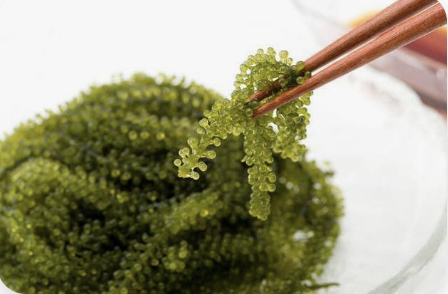
To a picky American kid eating Kraft mac-n-cheese and drinking chocolate milk, seaweed wasn’t exactly at the top of my favorite foods list. To the best of my fourth grader ability I politely but firmly declined the snack, stared at my cousins, and thought “how could anyone ever enjoy this stuff?!”
Well I hate to break it to you kid, but seaweed does in fact make a wonderful snack…
No part of our life story is ever wasted. There’s always some ripple effect or lesson learned, even in the painful moments. Which to my fourth grade self, a snack time gone wrong was indeed a painful moment. But part of me wonders if this first exposure to Japanese culture planted a little seed in my memory that would eventually result in me moving to Japan.
Now that I’m headed towards Japan for the long haul and people ask me when I first became interested in the culture, I simply must admit that it all started with my uncle and a seaweed snack.